The Stallings Standard

The Stallings Standard

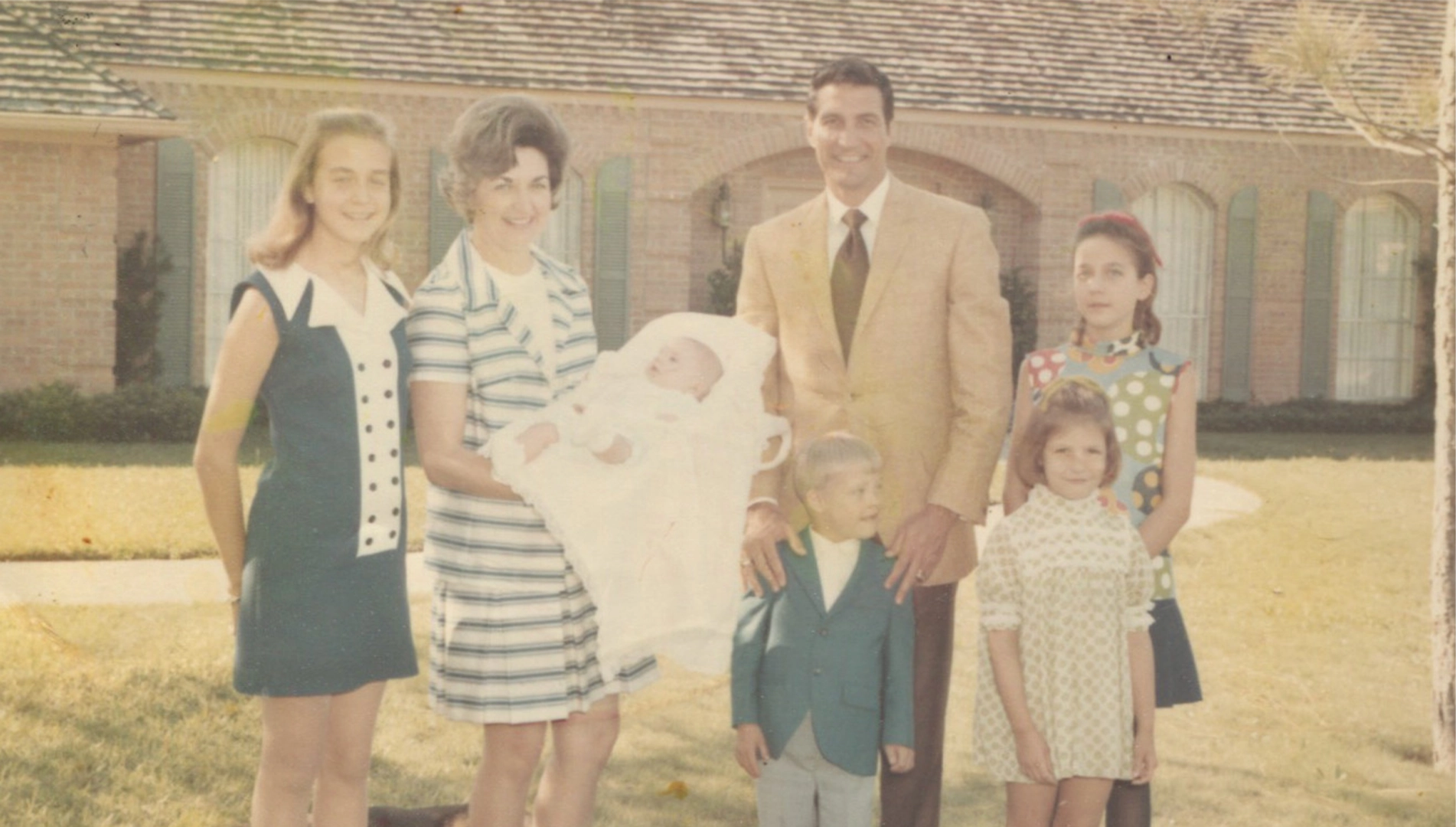
Capturing the legacy of Gene Stallings in an hour-and-a-half-long documentary is no easy feat! The coach’s impact on the lives of his players and his family’s advocacy for individuals of all ages with special needs is a global humanitarian effort. Everywhere you go someone seems to have a story about the former Alabama national championship head coach. He also takes great pride in his family which includes, his wife Ruth Ann, his four daughters, and of course, his late son John Mark. If you know what “I Fine”, “Another Season”, and “Dancing in the Rain” means to this family, you understand their philosophy on life.
Read More

Most football fans recognize Coach Stallings for leading the 1992 Crimson Tide to a national championship as the underdogs against the University of Miami. Historians knew he played at Texas A&M after surviving Paul “Bear” Bryant’s “Junction” workouts. Then he followed Bryant to Alabama where he worked as an assistant coach adding two SEC Championships and two National Championships to his resume. Texans appreciate him as one of the youngest head football coaches who took the helm at Texas A&M and how he lead the Aggies to win the 1968 Cotton Bowl over his mentor Bear Bryant. Stallings joined the Dallas Cowboys as a secondary coach under Tom Landry where he served for 14 seasons and helped them win Super Bowl XII. After four seasons as head coach with the St. Louis/Arizona Cardinals, he returned to Alabama in 1990 as head football coach. He finished his career at Alabama in 1996 with a record of 70-16-1.

Documentaries involve discoveries of the truth and observing people’s character to make sure there’s a central message to learn and share to bring attention to a topic. As educators, we learned there are many lessons to share from a coach who had an unfathomable love for his only son, John Mark Stallings. His players and staff showed us they took his and Ruth Ann’s example as role models to mold their families and tried to “do right” as they navigated careers and parenthood. As we visited RISE Schools, people believed that Coach Stallings built them. He didn’t, but he quickly learned at UA, he had a platform and a way to help families who needed RISE programs to help their children and improve their resources. John Mark had a very supportive family unit and teachers, but he was older and his personality was one where he could use his abilities to work at the Bryant Museum, RISE, and as an assistant to the athletic trainers. The reality of how Coach Stallings and John Mark felt about each other represented something bigger than many people had witnessed when it came to the relationship between a father and a son.

The stallings family

The Stallings Standard

Capturing the legacy of Gene Stallings in an hour-and-a-half-long documentary is no easy feat! The coach’s impact on the lives of his players and his family’s advocacy for individuals of all ages with special needs is a global humanitarian effort. Everywhere you go someone seems to have a story about the former Alabama national championship head coach. He also takes great pride in his family which includes, his wife Ruth Ann, his four daughters, and of course, his late son John Mark. If you know what “I Fine”, “Another Season”, and “Dancing in the Rain” means to this family, you understand their philosophy on life.

Read More

Most football fans recognize Coach Stallings for leading the 1992 Crimson Tide to a national championship as the underdogs against the University of Miami. Historians knew he played at Texas A&M after surviving Paul “Bear” Bryant’s “Junction” workouts. Then he followed Bryant to Alabama where he worked as an assistant coach adding two SEC Championships and two National Championships to his resume. Texans appreciate him as one of the youngest head football coaches who took the helm at Texas A&M and how he lead the Aggies to win the 1968 Cotton Bowl over his mentor Bear Bryant. Stallings joined the Dallas Cowboys as a secondary coach under Tom Landry where he served for 14 seasons and helped them win Super Bowl XII. After four seasons as head coach with the St. Louis/Arizona Cardinals, he returned to Alabama in 1990 as head football coach. He finished his career at Alabama in 1996 with a record of 70-16-1.

Documentaries involve discoveries of the truth and observing people’s character to make sure there’s a central message to learn and share to bring attention to a topic. As educators, we learned there are many lessons to share from a coach who had an unfathomable love for his only son, John Mark Stallings. His players and staff showed us they took his and Ruth Ann’s example as role models to mold their families and tried to “do right” as they navigated careers and parenthood. As we visited RISE Schools, people believed that Coach Stallings built them. He didn’t, but he quickly learned at UA, he had a platform and a way to help families who needed RISE programs to help their children and improve their resources. John Mark had a very supportive family unit and teachers, but he was older and his personality was one where he could use his abilities to work at the Bryant Museum, RISE, and as an assistant to the athletic trainers. The reality of how Coach Stallings and John Mark felt about each other represented something bigger than many people had witnessed when it came to the relationship between a father and a son.